



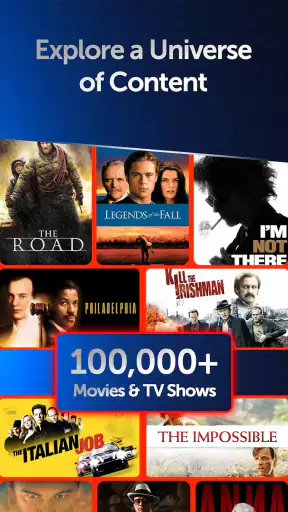
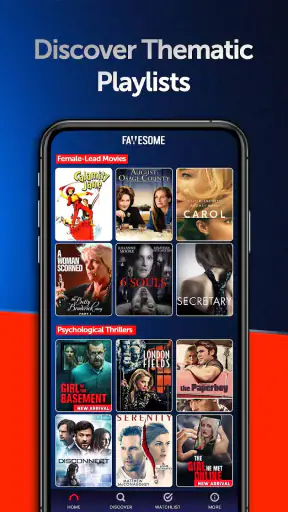
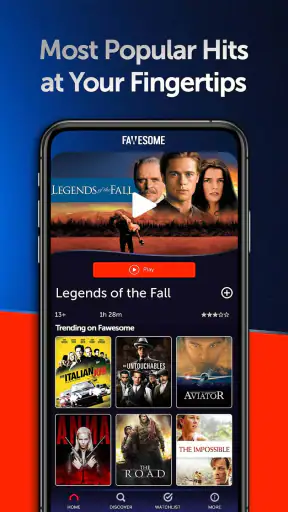
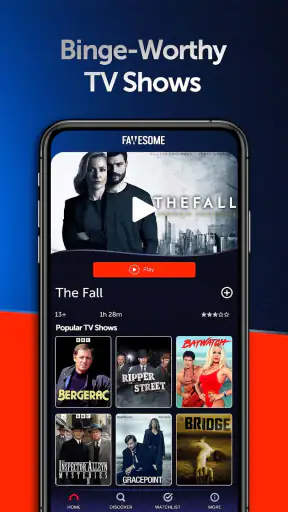
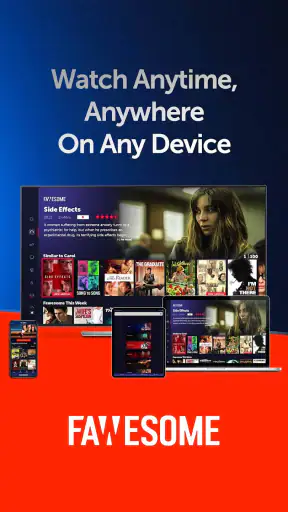
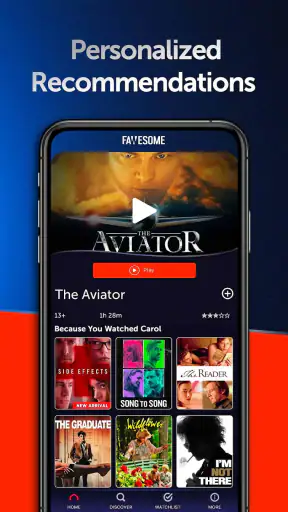

Fawesome: Free Movies and TV is the kind of entertainment app I open when I want something to watch without turning the decision into a second job. It is free, aimed at a teen audience, and built around films and television content across different genres. The most important part of the experience is also the easiest to overlook: it depends heavily on a stable internet connection, so the quality of the viewing session is shaped as much by the network around me as by the catalog itself.
That makes it useful in some very ordinary situations. I can browse while waiting for an appointment, choose something light for an evening at home, or put on a familiar program when I do not want to commit to a paid subscription. There is no signup or subscription requirement, which removes a common barrier at the exact moment when I usually want instant entertainment. At the same time, I would not treat it as a replacement for every streaming service. Its strengths are convenience and low commitment, while its weaker points appear when connectivity is unreliable or when I am looking for a very specific premium title.
How Fawesome feels when the network is doing the work
My first impression is that the app is designed for quick browsing rather than a long setup process. Since I can start exploring without creating an account, the path from installation to watching is refreshingly short. That matters on a phone, where a complicated registration screen can make a supposedly convenient entertainment app feel like a chore before the first video even starts.
The connection becomes part of the interface almost immediately. Browsing may feel effortless on a strong home network, but video playback naturally asks more from the connection than scrolling through titles. When the signal is inconsistent, I notice the difference through pauses, slower starts, or a less comfortable viewing rhythm. I do not see that as a flaw unique to this app; it is the basic trade-off of internet-delivered video. Still, it affects how I decide when and where to use Fawesome.
At home, I am most comfortable using it when I already know the network is dependable. It works well as a casual second-screen option while I am cooking, folding laundry, or relaxing after work. I can browse by mood instead of planning a full evening around one carefully selected film. That low-pressure approach is where the app feels most natural.
On a crowded public network, my expectations change. A café connection may be fine for opening the app but less reliable once a full video starts. I would rather browse and choose something before settling in than assume that every public hotspot will maintain smooth playback. A useful habit is to give the selected program a moment to establish itself before committing to a long viewing session. If the opening is already unstable, changing location or waiting for a better connection is usually more sensible than repeatedly restarting the same video.
The practical lesson is simple: Fawesome is free to access, but a smooth viewing session still depends on the quality of the connection. That distinction is important for anyone comparing it with downloaded media or a service that supports carefully prepared offline viewing. The app removes a payment and signup hurdle, not the need for internet access during ordinary streaming.
Why the no-signup approach matters
I appreciate the no-signup design most when I am testing the app casually. If a friend mentions a movie night or I have a few minutes to spare, I do not have to decide whether I want another account in my life before seeing what is available. That makes Fawesome easier to recommend to someone who is cautious about subscriptions or simply wants a quick source of free entertainment.
There is a trade-off, though. Services centered around personal accounts often make it easier to build a long-term viewing routine, while a no-signup experience feels more immediate and less personal. I approach Fawesome as a place to discover something now, not necessarily as the one library where I will organize every viewing habit. That is not a deal-breaker, but it changes the way I use it.
The app comes from Future Today Inc and belongs squarely in the entertainment category. It has reached over a million installs, with an average rating of 4.5 from around 33 thousand ratings. Those figures suggest that the straightforward concept works for a large audience, although popularity does not remove the need to judge whether the catalog and connection requirements fit my own routine.
Using it on a phone instead of a television
Fawesome makes the most sense to me when my phone is the screen that is already available. A mobile device is convenient for short sessions, casual viewing, and moments when I am not trying to create a full home-cinema atmosphere. I can use it during a break, while traveling between places, or when the main television is occupied.
The smaller screen also changes what I choose to watch. On a phone, I tend to favor familiar shows, lighter programs, and content that does not suffer too much from reduced visual detail. A visually dense film can still be enjoyable, but the experience is less satisfying when I am holding the device at an awkward angle or watching in a bright room. For those situations, I see the app as a flexible backup screen rather than a perfect substitute for a larger display.
One everyday example is a quiet evening when someone else is using the television. I can sit in another room, connect to a reliable home network, and browse through genres until I find something suitable. The value is not that the phone becomes a cinema; it is that I do not need to negotiate over the main screen or pay for a new service just to fill an hour.
Another useful situation is a waiting period with dependable Wi-Fi. I can use the time for a program rather than endlessly switching between social feeds. I would be more careful on mobile data, especially with longer viewing, because video can consume a meaningful amount of a data allowance. The app is convenient in that setting only if I already understand the limits of my plan.
Where mobile viewing becomes awkward
Outdoor use is more complicated than it first appears. A bright screen can make dark scenes difficult to follow, and a weak cellular signal can turn a simple viewing session into a sequence of interruptions. If I am moving through an area with changing coverage, I would not start a long program unless I am comfortable with the possibility of stops.
Battery life is another practical consideration. Video playback keeps the screen active and asks the phone to maintain a network connection, so a low battery can make Fawesome a poor choice even when the signal is excellent. I would rather use it early in a trip or near a charger than discover halfway through a program that entertainment has become a power-management problem.
This is also where a downloaded film or a service with confirmed offline viewing can be a better alternative. If I know I will be on a flight, in a rural area, or somewhere with expensive mobile data, preparation matters more than free access. Fawesome is strongest when I can rely on the network at the time I want to watch.
What I do when playback fails
When a video does not start smoothly, I first treat the connection as the likely variable instead of assuming the app itself is broken. I check whether other network-dependent apps are responding normally, move closer to the router when I am at home, and avoid switching repeatedly between titles. Rapidly opening several videos can make it harder to tell whether the issue is a particular stream or the network as a whole.
If browsing works but playback struggles, that is a useful clue. The app interface may load with relatively little effort while the video needs a steadier flow of information. In that situation, waiting briefly, changing networks, or trying again later is more productive than repeatedly tapping play. I also prefer closing other active video or download activity on the same connection, because another device can quietly compete for bandwidth.
When the entire app feels slow, I use a more basic recovery sequence: leave the viewing screen, reopen the app, and test one title rather than several. If the problem continues, I stop treating it as a viewing session and return later. That may sound obvious, but it prevents a free app from consuming an unreasonable amount of time through repeated failed attempts.
There is an important limitation here. A connection problem can interrupt the experience without giving me a satisfying explanation. Streaming apps generally expose only a small amount of technical detail, and Fawesome is not something I would choose when I need guaranteed continuity. For an important event or a carefully planned family movie night, I prefer having a backup option ready rather than assuming the network will cooperate.
Small habits that make free streaming less frustrating
I get better results by choosing the viewing context before choosing the title. If I am on a strong home network, I can be more ambitious and select something longer. If I am using a phone during a short break, I look for something I can leave without feeling that the session was wasted. This reverses the usual browsing habit, but it prevents me from selecting a program that does not suit the time or connection I actually have.
I also avoid judging the whole catalog from the first few titles I see. Because the app covers multiple genres, the most useful discovery method for me is to browse with a clear mood in mind: comedy for a tired evening, a familiar drama for background viewing, or something suitable for a shared room. That is more efficient than scrolling without a purpose and blaming the app when the choice feels endless.
For households with several people watching different things, I would set expectations around the shared network. One stream may be perfectly comfortable while several simultaneous activities create interruptions. If the connection is already busy with video calls, games, or other streaming, Fawesome may not receive enough consistent bandwidth to feel smooth. The app itself is not a solution to a congested home network.
I also keep the teen content rating in mind when deciding whether to hand the phone to a younger viewer. The rating gives me a useful boundary, but I would still make the final choice myself for children and check the individual program rather than assuming that every title suits every age. That is especially relevant in a broad entertainment catalog where genres and themes can vary.
How it compares with paid streaming and free alternatives
Compared with a paid subscription service, Fawesome wins immediately on commitment. I can explore without adding a recurring bill, and I do not need to decide whether I will watch enough content each month to justify the cost. For occasional viewers, students, households reducing expenses, or anyone who wants a free option alongside existing services, that is a meaningful advantage.
Paid platforms are usually more attractive when I want a tightly curated catalog, a specific exclusive release, or a viewing setup built around an established account. They may also suit people who want their watch history and recommendations to shape every future session. Fawesome feels more like an open entertainment shelf: I visit, browse, and choose from what catches my attention at that moment.
Compared with ad-supported video platforms, the difference depends on what I am looking for. A general video platform may offer an enormous range of short clips and creator content, while Fawesome is more directly focused on movies and television viewing. I prefer Fawesome when I want a conventional program rather than a stream of unrelated clips. On the other hand, someone who wants live interaction, niche tutorials, or user-created videos may find a general platform more suitable.
Free broadcast or network apps can be better for viewers who want a particular channel, local programming, or a familiar schedule. Fawesome is more appealing when I want to browse across genres without paying or signing up. Neither approach is automatically superior; the right choice depends on whether discovery or precise programming matters more.
Who will enjoy it, and who should look elsewhere
I would recommend Fawesome to casual viewers who want a free entertainment app with a short path to playback. It is particularly suitable for people who dislike subscriptions, do not want to create another account, and are comfortable choosing from a broad selection rather than demanding one specific new release. It also works well as a spare option for a household that already has a main streaming service but wants something else to explore.
It is a good fit for mobile viewers with dependable Wi-Fi, especially when the goal is to fill an unplanned gap in the day. I can imagine recommending it to a friend who wants a movie or television program without paying for a trial that may later become a recurring charge. The free model makes experimentation easy.
I would steer away from it as a primary choice if uninterrupted access is essential. Travelers without reliable internet, people with strict mobile-data limits, and viewers who plan around a particular premium title may be happier with a service that provides the exact content and connectivity options they need. It is also not my first pick for a carefully staged movie night where a failed connection would spoil the evening.
Viewers who want deep personalization should think about the no-signup trade-off as well. The convenience of entering without an account is valuable, but it is different from building a persistent, highly organized streaming library. I would choose Fawesome for low-friction discovery, not because it offers the same kind of long-term structure as every paid competitor.
What the app’s scale says, and what it does not
Fawesome has an average rating of 4.5 and around 1.7 thousand written reviews, so there is a substantial body of public feedback behind the app rather than a handful of early impressions. I take that as a positive sign that the basic free-streaming idea has found an audience. Still, ratings describe broad satisfaction, not the exact network conditions, phone screen, data plan, or viewing expectations I bring to the app.
The app first appeared on July 11, 2019, and its continued presence gives it the feel of an established entertainment option rather than a brand-new experiment. I would not use that fact as a guarantee of perfect performance, but it does make the service easier to consider when I want a free alternative that has been available for some time.
Because it is free, I judge it by a different standard from a subscription service. I can tolerate a little more browsing and a less tailored experience when I am not paying a monthly fee. What I do not overlook is whether the connection supports the kind of viewing I want right now. Free access has real value, but it does not make a weak signal disappear.
My connectivity verdict
After using Fawesome as a casual entertainment app, I see its strongest quality as the combination of free access and immediate browsing. The absence of signup or subscription makes it easy to try, while the range of genres gives me more to explore than a single-purpose video app. Future Today Inc has positioned it for people who want a straightforward way to find something to watch without first making a financial commitment.
The central condition is connectivity. On a reliable home or public Wi-Fi connection, the app can be a convenient companion for short sessions, background viewing, and unplanned evenings. On unstable cellular coverage or a crowded hotspot, the same experience can become frustrating quickly. I would plan around that rather than pretending the network is a minor detail.
My recommendation is therefore specific: choose Fawesome if you value free, low-commitment access and normally watch where internet service is dependable. Keep a downloaded or otherwise prepared alternative for journeys and important viewing occasions, and be cautious with mobile data. If those conditions match your routine, this entertainment app is easy to justify. If offline certainty, premium exclusives, or highly organized personalization matter more, a different streaming option will serve you better.
For me, Fawesome succeeds not by replacing every service, but by making the casual choice easier. I can open it when I want entertainment without another bill, browse by mood, and start watching with very little friction. As long as I remember that the connection is part of the experience, it is a useful free addition to my phone rather than a promise of uninterrupted viewing everywhere.


